Wrinkles and fine lines arrive quietly. One day your makeup sits differently, or your under eyes look a little hollow after a late night, or the creases beside your mouth hang around after you stop smiling. Dermal filler treatment sits in that space between skincare and surgery, offering quick, precise adjustments that restore volume, soften creases, and improve contour without a long recovery. As a practitioner, I have seen fillers transform not just faces, but how people carry themselves. The best dermal fillers do not announce themselves. They simply return harmony where age, sun, or genetics took it away.
This guide explains what cosmetic dermal fillers can and cannot do, how the procedure works, which areas respond best, how to choose a provider, and what to expect when you book a dermal filler consultation. I will also share practical numbers, a few cautionary notes, and strategies to keep your results natural and long lasting.
What dermal fillers actually are
Face dermal fillers are gel-like materials that a certified injector places beneath the skin to add support, replace lost volume, or soften lines. The most common class is hyaluronic acid dermal fillers. Hyaluronic acid, or HA, is a sugar your body naturally produces in the skin and joints. HA fillers are popular because they are versatile, come in a range of thicknesses, and can be dissolved with an enzyme called hyaluronidase if needed. Brands you might hear about include Juvéderm, Restylane, Belotero, and the RHA collection.
There are also biostimulatory fillers, which do not just fill space, they also stimulate your own collagen over time. Two examples are calcium hydroxylapatite, known by the brand Radiesse, and poly L lactic acid, known as Sculptra. These do not have an on the spot reversal agent and behave differently than HA. A fourth type, polymethyl methacrylate or PMMA, is a semi permanent option used in limited indications such as acne scarring. Each has a role when used by an experienced dermal filler specialist, but beginners usually do best starting with HA.
What fillers can treat for beginners
For early to moderate signs of aging, dermal filler injections fit naturally into a low downtime routine. If your concern is fine lines around the mouth, shallow under eye hollows, a softened jawline, or loss of cheek definition, fillers can help. Common targets include nasolabial folds, marionette lines, lip lines, and temples that look a bit sunken. Where skin quality is good but volume is lacking, a subtle enhancement can deliver a fresher look without changing your face.
Fillers also excel at facial balancing. Small adjustments in the chin, jawline, and cheeks can improve profile and symmetry. When placed with restraint, cheek dermal fillers lift the midface and reduce the appearance of smile lines indirectly. Chin dermal fillers help an under projected chin hold its own, which can slim the lower face optically. Jawline dermal fillers can sharpen a jawline softened by age or weight changes. For patients with prominent tear troughs, under eye dermal fillers can reduce the shadowing that reads as dark circles, though pigmentation and skin laxity also play a role.
If you are after voluptuous lips on day one, lip dermal fillers deliver. If you are after a more conservative lip enhancement, modern low viscosity gels can soften vertical lip lines and define the border without obvious swelling.
Where filler shines, and where it does not
I like to separate concerns by whether the issue is due to movement or volume. Movement driven lines, like the 11s between the brows, forehead lines, and crow’s feet, respond primarily to neuromodulators. This is the dermal filler vs Botox decision. Fillers are for volume and structure. Botox relaxes muscles that crease skin. They often work better together than either treatment alone. For deep nasolabial folds, for example, a small amount of cheek filler to lift plus a touch of filler in the fold creates a softer, more natural result. In the upper face, I typically advise toxin first, then consider very conservative filler only where the anatomy allows.
Fillers also have limits around skin laxity. If there is significant sagging, placing more filler to chase lift can lead to heaviness and puffiness. In those cases, skin tightening devices or surgical options may be more appropriate, sometimes combined with filler for contour after a lift. Acne scars can improve with filler, especially rolling scars and broad depressions, but pitted or tethered scars may need subcision or laser in combination. For very thin under eye skin, filler can help with volume but not crepey texture, where a different plan might be better.
How a typical dermal filler appointment unfolds
A thoughtful dermal filler treatment starts before anyone touches a syringe. You should expect a thorough discussion of your goals, health history, and a hands on facial assessment. A good provider will ask where your eye goes first in the mirror. Then we map a plan. I tend to build from the foundation up, addressing support in the midface and chin before chasing small lines. This avoids overfilling any single crease and keeps the face in balance.
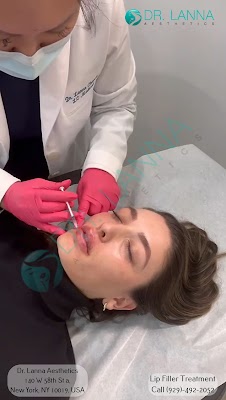
Once you approve the plan and dermal filler price, the injector cleanses the skin and, if needed, numbs the area with topical anesthetic. Many HA fillers include lidocaine for comfort. A needle or cannula places the product at the planned depth. Technique matters. Linear threading, small bolus placement, or microdroplet techniques achieve different goals. A cannula can reduce bruising in larger areas, while a needle offers precision in tight spaces. The actual injection time for a quick treatment ranges from 10 to 30 minutes depending on how many areas are involved. Expect mild pressure and occasional stinging, but most patients find it very tolerable.
Immediately after, you will likely see a difference. Some puffiness or swelling can blur the final result for a day or two. Lips swell the most and the longest, usually 48 to 72 hours. Cheeks and chin tend to look camera ready sooner. Your injector dermal fillers near New York, NY Dr. Lanna Aesthetics will give aftercare instructions, which are simple but important.
A short pre appointment checklist
- Pause blood thinning supplements when safe, such as fish oil, vitamin E, ginkgo, and turmeric, 3 to 7 days before, and avoid alcohol the night before. Have arnica and a clean cold pack on hand at home for bruising and swelling. Schedule smartly so a bruise or mild swelling will not derail a major event within a week. Eat beforehand and hydrate. Low blood sugar makes people woozy. Bring clear photos of your younger self to guide natural proportions.
How much product is typical
Volume depends on the area and the look you want. Numbers vary, but most first time patients are surprised by how little goes a long way in the right hands. For cheeks, 1 to 2 syringes per side can restore gentle lift. For lips, 0.5 to 1 syringe at a first appointment is often ideal, with a touch up a month later if more structure is needed. Tear troughs are conservative, often 0.2 to 0.5 ml per side. A modest chin augmentation might use 1 to 2 syringes total. Jawline sculpting can require more, sometimes 2 to 4 syringes overall when building youthful angles. I prefer to undercorrect by 10 to 20 percent on day one. You can always add during a dermal filler touch up.
Safety, side effects, and how to stay in the safe zone
Dermal filler safety has improved dramatically with better products, better education, and ultrasound guidance when needed. Still, the procedure is not risk free. Bruising, swelling, and tenderness are common for a few days. You might feel small lumps that soften as the filler integrates. Occasionally there is asymmetry that a provider corrects at follow up.
More serious risks are rare, but they matter. Vascular occlusion occurs when filler blocks a blood vessel. An experienced injector recognizes early signs like severe pain, blanching, or mottled skin, and treats it immediately with hyaluronidase and warm compresses. Blindness, while extremely rare, is a known risk in high risk zones near the nose and glabella. These realities are why you want a medical expert who understands anatomy deeply, carries reversal agents, and has a clear emergency protocol.

Other issues include delayed inflammatory nodules, usually triggered by illness or biofilm around the filler. These respond to a structured treatment plan that can include antibiotics or dissolving the filler. The Tyndall effect, a bluish hue under thin skin, appears when filler is placed too superficially in the under eye. The fix is dissolving and re treating more deeply or with a different product.
Aftercare and downtime
Downtime is brief. Expect mild swelling and possible bruising for 2 to 5 days. Avoid strenuous exercise, heat, and saunas for 24 to 48 hours. Skip dental procedures for 2 weeks to reduce bacterial spread risk. Sleep with your head elevated the first night if you had under eye or lip injections. Pressing or massaging is only done if your injector instructs it. Makeup can usually return after 12 to 24 hours, once injection points close.
Most patients return to work the same day or the next. Dermal filler same day results are one of the most satisfying parts of the process. Final settling takes about 2 weeks for HA and up to 6 weeks for biostimulatory products as collagen forms.
How long fillers last
Longevity depends on product, placement, and your metabolism. HA filler in the lips tends to last 6 to 9 months. Cheeks and chin often last 9 to 18 months. Under eye filler can hold 12 to 24 months because the area moves less. Jawline sculpting with thicker gels lands around 12 to 18 months. Calcium hydroxylapatite in the lower face often lasts a year or more. Poly L lactic acid is a series spaced over months and can maintain results 2 years or longer as it stimulates collagen. Athletes and very expressive talkers sometimes metabolize faster. A smart dermal filler maintenance plan uses small refreshers rather than waiting for full reversal.
The money question: dermal filler cost and value
Dermal filler price varies by geography, injector experience, and brand. Most clinics charge per syringe, with transparent pricing at the dermal filler consultation. In the United States, a single syringe of HA typically ranges from 500 to 900 dollars. Radiesse and Sculptra are often priced higher per vial, sometimes 700 to 1,200 dollars or more. Affordable dermal fillers exist, but be careful with deals that seem too good to be true. You are paying for product quality, sterile technique, and the provider’s hands and judgment. A tasteful 1 to 2 syringe plan that restores balance is often a better value than scattering small amounts over many areas.

Dermal filler packages can make sense when treating a full face, for example cheeks, chin, and jawline together. Ask about dermal filler financing if that helps you pace a multi step plan. Some clinics offer seasonal dermal filler specials. Read dermal filler reviews with a critical eye, and focus on before and after images that match your face and goals.
Filler for specific concerns
For smile lines and nasolabial folds, a soft to medium gel placed with gentle layering works well. I often lift from the cheek first, then feather into the fold as needed. Marionette lines improve with small threads of filler to support the oral commissure and, when appropriate, a little chin support to stop the corner of the mouth from turning down.
For dermal filler for acne scars, the approach is selective. Broad, shallow scars respond to microdroplet HA or Radiesse diluted for skin support. Tethered scars do better after a release technique like subcision. PMMA, known by the brand Bellafill, can be helpful in experienced hands for rolling scars with a multi year horizon, but it is not a beginner choice and not reversible.
For under eyes and tear trough concerns, less is more. The right candidate has a visible hollow and good skin tone without heavy bags or fluid retention. I use low swelling HA in micro amounts, placed deep. Patients who retain fluid after salty meals or poor sleep often do better with skincare, sleep hygiene, and sometimes a touch of cheek support instead of direct tear trough filler.
For lip lines, a thin HA gel in a cross hatching pattern can soften barcode lines. For thin lips that need shape more than size, structure first, volume second. I prioritize border support and a careful philtral column before adding body. Dermal filler lip augmentation should look soft at rest and animate naturally when you speak.
For a recessed chin, chin dermal fillers can transform profile balance in a 15 minute appointment. A millimeter or two of projection makes noses look smaller and necklines sharper. I use firmer gels that hold shape under muscular pressure. Jawline contour follows a similar logic, building a clear mandibular angle and gently straightening jowly shadows without overfilling in front of the ear.
The art of a natural look
A natural look starts with restraint. I treat the face as a connected system. Overfilling a single area draws the eye. Aim for proportion. Women and men have different ideals for chin width, jawline angles, and cheek placement. Dermal filler for men often requires firmer products and straighter lines to avoid feminizing the face. For women, lift and gentle curves read youthful. For patients over 40 and over 50, the focus shifts from line filling to volume restoration and facial balancing. Treating lateral cheek and temple hollows prevents a boxy midface. Respect fat pad anatomy, ligament strength, and how each face moves.
Technique and product selection are the brush and paint. Thinner gels blur tiny lines. Medium gels layer inside folds. Firmer gels hold structure in the chin and jaw. I often combine products in one plan to match tissue depth and movement.
Comparing fillers and Botox at a glance
- Filler adds volume and support. Botox softens muscle driven lines. Filler shows results immediately. Botox starts working in 3 to 7 days. Filler lasts 6 to 24 months depending on area. Botox lasts 3 to 4 months on average. Filler is best for folds, hollows, and contouring. Botox shines for forehead, crow’s feet, and frown lines. Filler has a reversal option for HA. Botox wears off naturally.
Combination treatment is often the sweet spot. A touch of toxin in the crow’s feet plus a careful under eye and cheek plan can lift and smooth without looking treated.
Brands, types, and choosing wisely
There is no single best dermal filler. The right choice depends on your anatomy and goals. Hyaluronic acid dermal fillers like Juvéderm, Restylane, Belotero, and RHA offer a spectrum from soft and stretchy to firm and lifting. Calcium hydroxylapatite, Radiesse, can be used undiluted for structure or diluted to support skin quality. Sculptra builds collagen over time for a subtle global refresh, especially useful for widespread volume loss or for patients who prefer gradual change. PMMA has a niche role in scars where permanence is an advantage, but it should be placed by someone who does a lot of it and understands the commitment.
I prefer to introduce beginners to HA first. It integrates well, looks natural when placed correctly, and can be adjusted or reversed if you do not love the look. For the under eye, I favor low swelling HA. For the chin and jaw, modern, high G prime gels hold shape without looking rigid. For cheeks that need lift, a medium to firm HA works well in small, strategic amounts.
How to find the right provider
Start with training and experience. Look for a dermal filler provider who treats your concern often and can show you dermal filler before and after photos that match your features. A medical spa with a strong safety culture or a dermal filler cosmetic clinic with physician oversight is ideal. Board certification in a relevant specialty helps, but the injector’s aesthetic eye and hands on skill matter just as much.
When searching for dermal filler near me, read dermal filler reviews and look for comments about listening skills, conservative dosing, and follow up care. Ask during the dermal filler appointment about their approach to emergencies, what products they use and why, and how they plan for long term maintenance. Avoid walk in promises if the clinic discourages a real consultation. Online booking is convenient, but the plan should still feel customized. A free consultation can be valuable, but the best clinics charge a fee that credits toward treatment, which encourages thoughtful planning.
Preparing for special cases
If you have a history of cold sores and plan lip filler, request an antiviral prescription to start the day before. If you have an autoimmune condition, fillers can still be appropriate, but discuss medication timing with your injector and physician. If you have had permanent filler before, bring records. If you are pregnant or breastfeeding, wait. If you plan dental work, separate it by two weeks on either side of treatment.
For patients who bruise easily, I schedule earlier in the week to allow recovery before the weekend. For high stakes events like weddings or media appearances, I like treating 4 to 6 weeks ahead, with a buffer for touch ups.
What real results look like
Good dermal filler results do not erase every line. They restore the soft light patterns of youth. The cheekbone casts a gentle highlight. The under eye shadow softens. The lip border looks hydrated, not inflated. The jawline reads clean in photos without filters. Friends say you look rested. You still look like yourself.
Before and after images can be misleading when angles and lighting change. Look for consistent head position, neutral expressions, and similar lighting. Be wary of extreme transformations in a single session, especially in the lower face of patients with mature skin. Those often look heavy in motion.
Long term strategy and maintenance
Think in seasons, not weeks. A typical dermal filler treatment plan for facial rejuvenation might start with midface and chin support, then refine lips or under eyes 2 to 4 weeks later, then consider jawline contour. Maintenance means smaller visits every 6 to 12 months, with more time for biostimulatory fillers to build collagen. I keep a running record of products, placement, and volumes. This helps prevent overfilling and guides subtle course corrections.
Lifestyle helps. Sleep, nutrition, and sun protection extend filler longevity. Weight fluctuations can change contour. Good skincare supports the skin envelope so filler can do its job.
Red flags and green lights
If a clinic will not tell you which dermal filler brands they use, or cannot explain why, walk away. If the injector suggests many syringes in a first visit without a rationale, be cautious. If they dismiss your concerns or rush consent, find someone else. Green lights include a clear conversation about risks and benefits, realistic timelines, and photos of results that look natural in motion.
Final thoughts for first timers
Dermal filler for wrinkles and fine lines works best when the goal is harmony, not erasure. A subtle enhancement can deliver same day results with high satisfaction and minimal downtime. The right plan picks the right product for the right depth in the right patient. Whether you are exploring under eye dermal fillers for dark circles, a small dermal filler chin augmentation to balance your profile, or a conservative lip enhancement, start with a consultation, ask direct questions, and plan for maintenance. If you take your time at the front end, the rest feels easy.
If you are ready to begin, search for a top rated dermal filler clinic nearby, look at portfolios that match your taste, and book a consultation. Bring your priorities and your questions. A skilled dermal filler expert will help you choose an approach that respects your features, your budget, and your timeline, so the reflection in the mirror looks like you on a very good day.